
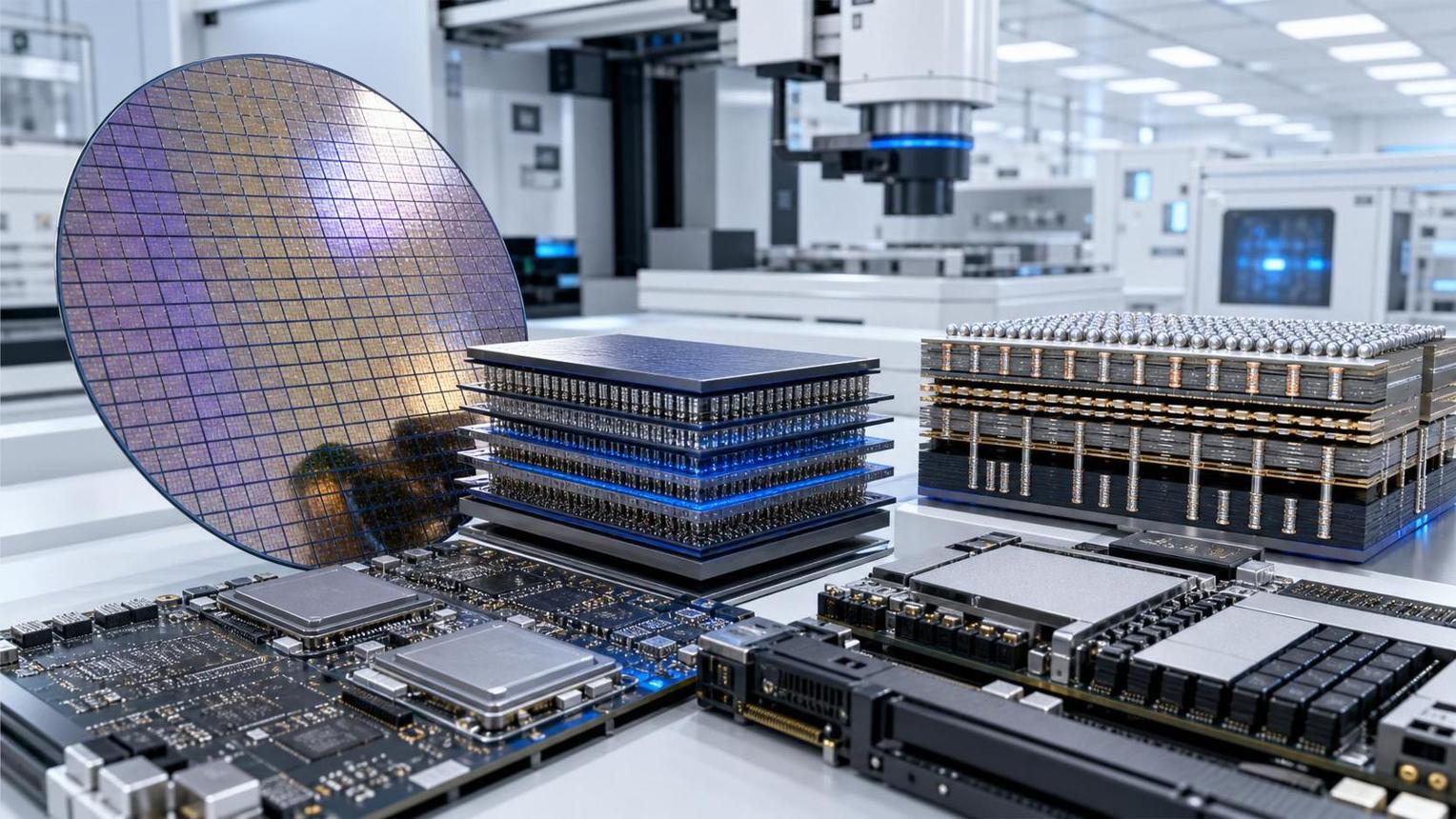
AI boom triggers a global race in advanced semiconductor packaging
about 3 hours ago

Ericsson and HBL have successfully integrated India's Kavach 4.0 railway safety system with a 5G Standalone network environment, opening new possibilities for advanced railway communication and passenger safety.

India's railway modernisation programme is exploring new technological possibilities as Ericsson and HBL have demonstrated the integration of the indigenous Kavach 4.0 automatic train protection system with a 5G Standalone network environment. The integration was validated at HBL's research and development laboratory in Hyderabad, according to Mint's November 6 technology roundup.
Kavach is India's indigenous automatic train protection technology, designed to improve railway safety and reduce the possibility of collisions and dangerous operational situations. The system is intended to monitor train movements and help prevent situations such as Signal Passing at Danger, commonly known as SPAD.
The integration with 5G technology represents an important opportunity for the future of railway communication infrastructure. 5G Standalone networks offer low latency, high-speed connectivity and advanced network management capabilities that could support mission-critical applications.
The companies are evaluating how 5G infrastructure could support railway signalling, communication between trains and control centres, onboard camera surveillance and predictive maintenance. These applications could improve the availability of operational information and help railway authorities respond more effectively to potential safety issues.
Predictive maintenance is another important area of development. By collecting and analysing information from railway equipment, sensors and communication systems, operators may be able to identify technical problems before they lead to serious disruptions.
The development is particularly relevant for India because the country operates one of the world's largest railway networks. Modernising railway communication systems requires technologies that can support increasing passenger movement, freight transportation and operational complexity.
Although further evaluation and implementation would be required before widespread deployment, the demonstration highlights the potential of combining domestic railway safety technology with advanced telecommunications infrastructure.
No approved comments yet. Start the conversation.